





No products
To be determined Shipping
0.00 CHF Total

Blog Categories
Latest Posts


Getting started with a mini drone is often more chaotic than expected. Here are the most common mistakes to avoid.
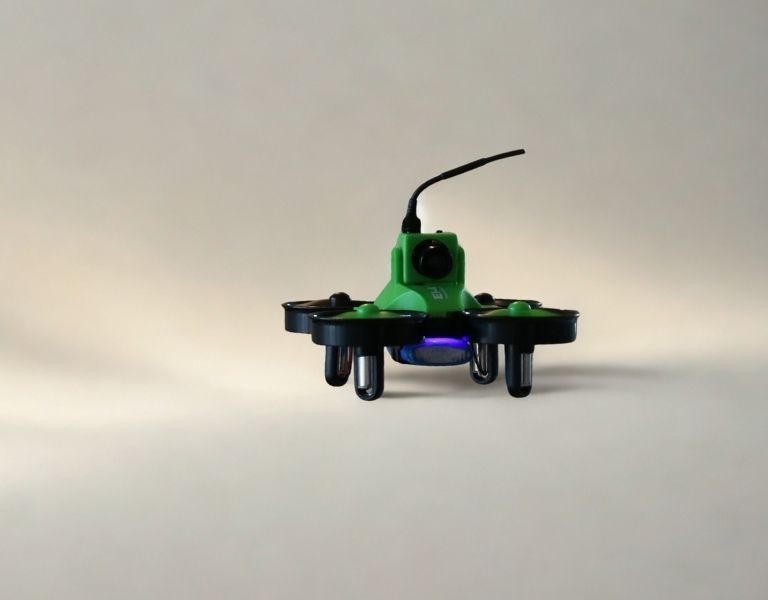
First flight. The drone takes off, drifts to the side, you overcorrect… and it ends its run against a wall. If this scene feels familiar, don’t worry: this is exactly where every pilot starts. Getting started with a mini drone is both exciting and confusing. These machines are light, responsive and extremely reactive. Every small input immediately turns into movement. In this article, we review the most common beginner mistakes when flying a mini drone, and more importantly how to avoid them to progress faster, with less frustration and more enjoyment. | ||
The throttle yo-yo: mistake number oneFor almost every beginner, the first issue comes from throttle control. You add a bit too much, the drone climbs too fast, you panic, cut the throttle… and it drops. Contrary to what many think, the throttle stick is not an on/off switch but a fine control tool. A mini drone amplifies every movement. Abrupt inputs lead to chaotic flights, while smooth actions make the drone surprisingly stable. In practice: | ||
| ||
Flying outdoors too early“There’s almost no wind.” This sentence has trapped thousands of pilots. A mini drone is so light that even an imperceptible breeze can push it off course. The result: overcorrections, lost orientation, and a frustrating session. Indoors, everything is simpler. No wind, no surprises. It is the ideal learning environment to build solid reflexes. The right order: | ||
| ||
Orientation: when everything feels reversedAs long as the drone moves in the same direction as you, everything feels logical. But as soon as it faces you, the controls reverse and your brain freezes. This step is normal — and unavoidable. The key is not to force it, but to progress step by step: drone facing away from you, then sideways, then facing you. With practice, your brain will automatically translate the controls. | ||
| ||
Thinking a good pilot never crashesA good pilot crashes. Often. The difference is that they understand why. Mini drones are designed to take hits, fall and fly again. A bent propeller or a loose motor is part of the learning process. The right reflex after a crash is simple: cut the throttle immediately, quickly check the propellers, then take off again calmly. | ||
| ||
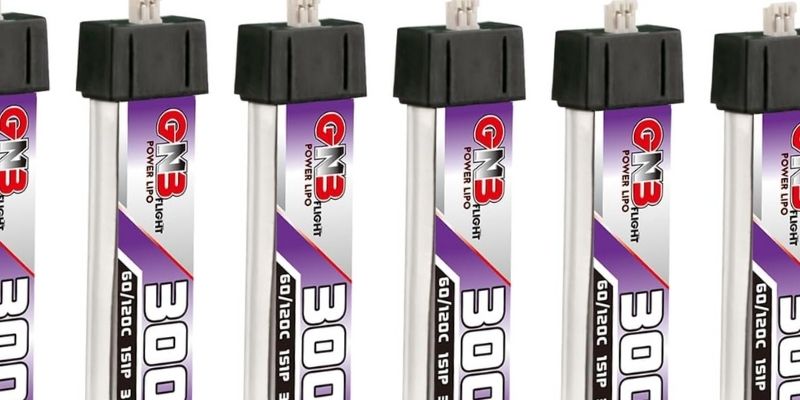
Batteries: the silent trapA drone that responds poorly, suddenly drops or pulls to one side is not necessarily faulty. In most cases, the battery is simply near the end of its charge. Several short flights are better than pushing a battery until it is fully depleted. Let them cool down between flights and you will gain consistency — and enjoyment. | ||
| ||
Final wordsStarting with a mini drone is not about immediate talent, but about method. By flying indoors, using smooth throttle inputs and accepting crashes as a normal step, progress comes very quickly. If you have any doubts about equipment, batteries or spare parts, our team is here to help at support@eye4i.ch. Fly safe, |
 en
en